Sliding doors have become a favored choice in modern home design, offering several practical advantages. They enhance natural light and airflow, creating inviting spaces.
Their design promotes a fluid connection between indoor and outdoor environments. Furthermore, sliding doors are space-efficient, making them suitable for various layouts.
The aesthetic benefits and potential for improved energy efficiency add to their appeal. Yet, the full scope of their impact on home living remains to be explored.
As homeowners seek to create harmonious living spaces, sliding doors emerge as a practical solution to enhance natural light and airflow. These doors, often made of large glass panels, allow sunlight to flood interior spaces, reducing the need for artificial lighting during the day. This not only brightens up rooms but also contributes to a more inviting atmosphere.
In addition to illuminating spaces, sliding doors facilitate better airflow. When opened, they create unobstructed pathways for fresh air to circulate, improving indoor air quality and comfort. This is particularly beneficial in warmer climates, where natural ventilation can reduce reliance on air conditioning systems.
The versatility of sliding doors also plays a significant role in design. They can be integrated into various architectural styles, making them suitable for modern homes. Ultimately, sliding doors combine aesthetic appeal with functionality, making them an ideal choice for enhancing both light and airflow within residential environments.
How can sliding doors transform the concept of indoor-outdoor living? Sliding doors serve as a bridge between the interior of a home and the outdoor space, effectively blurring the lines between the two. By incorporating expansive glass panels, these doors allow natural light to flood indoor areas while providing unobstructed views of gardens, patios, or landscapes.
This design fosters a sense of openness, making spaces feel more connected and inviting. Additionally, the ease of operation offered by sliding doors encourages homeowners to shift effortlessly between indoor and outdoor environments. Whether hosting gatherings or enjoying a quiet morning, sliding doors facilitate a fluid movement that enhances the overall living experience.
This seamless connection not only promotes a more enjoyable lifestyle but also elevates the aesthetic appeal of both indoor and outdoor spaces, creating a harmonious environment tailored for modern living.
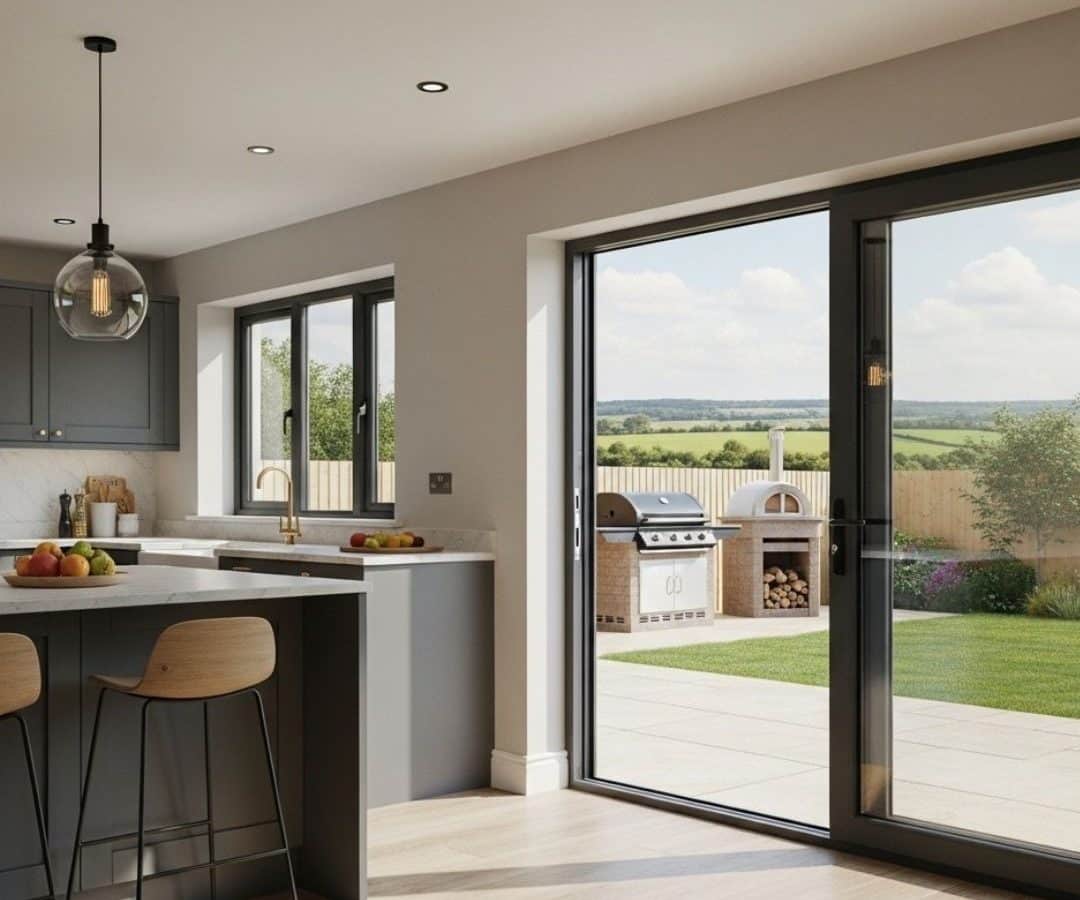
Sliding doors not only enhance the connection between indoor and outdoor spaces but also play a significant role in maximizing space and functionality within a home. Their design allows for a more efficient use of space compared to traditional hinged doors, which require additional clearance to open.
By eliminating the need for swing space, sliding doors can be installed in tighter areas, making them ideal for small rooms or apartments. Moreover, they create a more open layout, enabling seamless changes between spaces, enhancing flow, and making areas feel larger.
The large glass panels typical of sliding doors also allow natural light to flood into living spaces, reducing the need for artificial lighting and creating an airy atmosphere. Additionally, when open, they provide easy access to outdoor areas, promoting a versatile environment for entertaining or relaxation. Consequently, sliding doors contribute to both spatial optimization and functional living.
An array of design options makes sliding doors a striking addition to any home, greatly enhancing its aesthetic appeal. Available in various materials, such as wood, glass, and aluminum, sliding doors can effortlessly align with diverse architectural styles. Their sleek lines and expansive glass panels create a sense of openness, allowing natural light to flood interior spaces while providing unobstructed views of the outdoors.
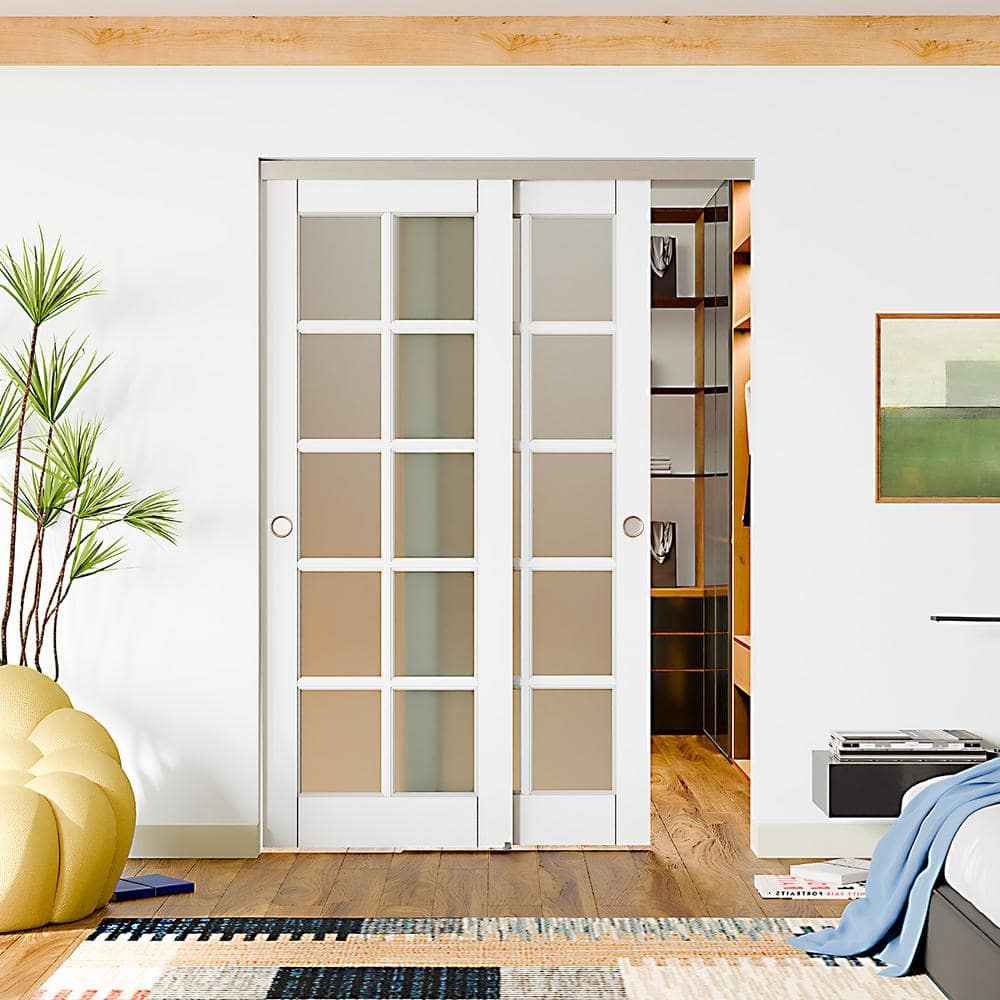
Furthermore, the versatility of sliding doors enables homeowners to customize their appearance, incorporating elements like frosted glass, decorative frames, or intricate handles. This adaptability allows for seamless integration into both modern and traditional settings.
The minimalist design of sliding doors also contributes to a clean, uncluttered look, which is essential in contemporary interiors. Ultimately, these doors not only serve a functional purpose but also elevate the overall aesthetic of a home, making them a preferred choice for those looking to enhance visual appeal.
Energy efficiency and security are paramount considerations for homeowners, and modern sliding doors address both concerns effectively. These doors are often constructed with advanced materials, such as double or triple-pane glass, which greatly reduce heat transfer, helping to maintain comfortable indoor temperatures.
This insulation capability can lead to lower energy bills and a reduced carbon footprint. In terms of security, sliding doors can be equipped with multipoint locking systems and reinforced frames, making them more difficult for intruders to breach.
Many designs also incorporate shatter-resistant glass, which adds an extra layer of protection against forced entry. Additionally, sliding doors can be integrated with smart home security systems, allowing homeowners to monitor access remotely.
Although bifold doors are designed for durability, regular maintenance is essential to safeguard their longevity and peak performance. Homeowners should routinely inspect the door tracks for debris and clean them with a soft brush or vacuum to prevent obstruction.
Lubricating the hinges and rollers with a silicone-based lubricant can guarantee smooth operation and prevent wear over time. It is also advisable to check the seals and weatherstripping for any signs of damage, replacing them as needed to maintain energy efficiency.
Additionally, periodic tightening of screws and hardware will help keep the structure secure. For wooden bifold doors, regular polishing and sealing are recommended to protect against moisture and warping. Finally, inspecting the door frame for signs of rot or damage will help address issues before they escalate, safeguarding that bifold doors remain both functional and aesthetically pleasing for years to come.
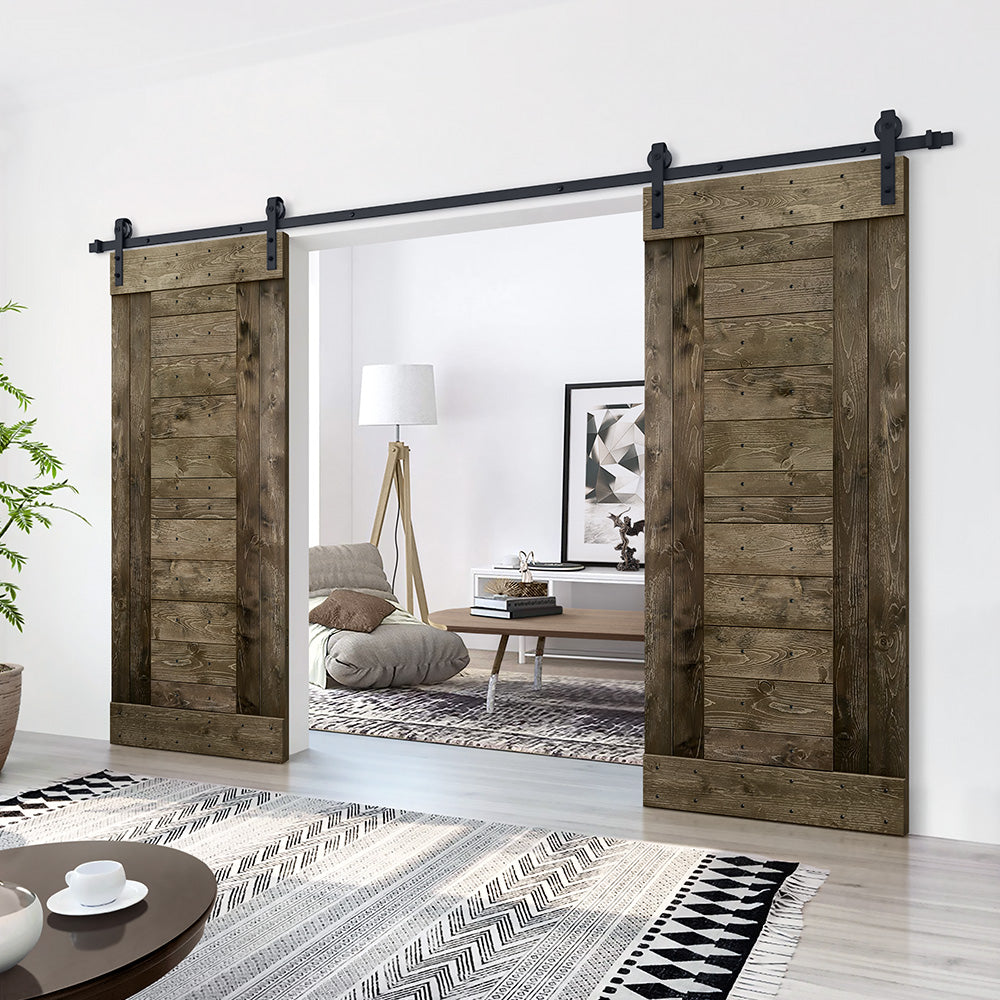
Choosing the right sliding door style involves considering the home�s architecture, desired functionality, material options, and aesthetic preferences. Evaluating these factors guarantees a harmonious integration with existing decor while enhancing both practicality and visual appeal.
Safety concerns exist with both sliding and bifold doors, including potential security vulnerabilities, risks of accidents due to improper installation, and challenges during emergencies. Homeowners should prioritize quality and consider safety features when selecting door types.
Sliding doors typically provide less insulation than bifold doors, resulting in potential energy loss. However, high-quality models of both types can enhance energy efficiency, reducing heating and cooling costs when properly installed and maintained.